

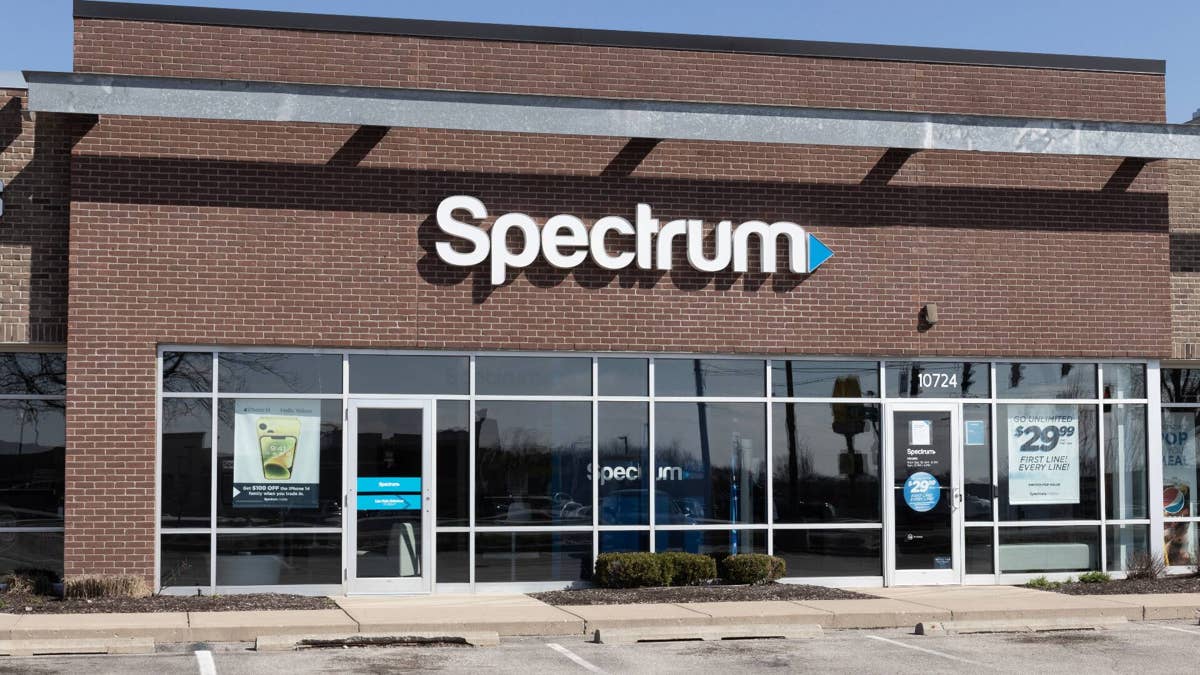
Spectrum, operated by Charter Communications, has received a tough wake-up call from Wall Street as its internet customers continue to cancel their service in significant numbers.
In 2025, Spectrum lost more than 400,000 internet customers. That trend continued, with the company losing another 120,000 in the first quarter of this year and 172,000 in the second.
The losses come amid continued price increases for the company’s internet services. Most recently, in July, Spectrum increased prices for multiple internet plans by $10. “Competition for new customers from expanded competitive footprint remains high,” Charter CEO Chris Winfrey said on an earnings call in July.
The company is facing pressure from fixed-wireless and fiber internet competition, consumers switching to mobile broadband, lower sales among low-income households, and more aggressive promotions from key rivals.
Charter gets stock downgrade as competition intensifies
Amid these challenges, Charter Communications’ stock has been downgraded by Wolfe Research, according to an analyst note reported by Seeking Alpha.
The firm downgraded the stock’s rating from neutral (meaning an analyst expects the stock’s performance to match the broader market) to underperform, indicating the stock is expected to perform worse than its competitors.
Wolfe Research has set a $118 stock price target for Charter, which is 19% below the stock’s closing price on Sept. 11.
In the analyst note, Wolfe Research analyst Peter Supino emphasized that the growth of satellite internet is becoming a rising problem for traditional broadband providers.
Related: Spectrum makes significant decision as customer losses mount
“DSL’s (digital subscriber line) demise coincides with satellite’s rise,” said Supino.
He said that SpaceX’s Starlink, which launched satellite internet service in 2020, is intensifying broadband competition by offering higher downlink speeds, which is how fast a device receives data from the internet.
“A single Starlink launch represents ~22x more downlink capacity… and while Starlink currently prices above market, falling unit costs and ramping capacity portend significant price cuts,” he said.
So far this year, Starlink has garnered more than 12 million global high-speed internet customers, according to a company post on X (the former Twitter).
It is expected to become an even greater threat as Starlink upgrades its network with new V3 satellites, designed to deliver faster speeds, lower latency, and greater data capacity to customers.
Charter is expected to lag behind Comcast
In addition to downgrading Charter’s stock, Wolfe Research also adjusted its outlook for Comcast, which is also seeing heavy customer losses in its Xfinity internet business.
While the firm maintained its “Peer Perform” rating on Comcast’s stock, which suggests it will perform at the same level as its direct competitors, it now expects the company to face higher customer losses. It lowered its estimate of Comcast’s 2027 connectivity and platform revenue from $78.29 billion to $77.95 billion.
Wolfe Research expects Charter to garner 1.34 million fewer broadband net adds, steeper than its expectations for Comcast.
Supino said in the note that compared to Comcast, Charter has a legacy footprint in more rural markets, has more customers on sub-gig speeds, and risks losing more customers due to promotional pricing.
“Together, these factors make Charter more vulnerable to insurgent competition,” said Supino.
He also has a bleak outlook on Charter’s $34.5 billion acquisition of Cox Communications, which closed in August. Charter expects this acquisition to help it repair its internet business by providing customers with more upgraded and competitively priced internet offerings.
Supino noted that Charter inherited a “degrading subscriber pool experiencing stronger competitive pressure than management anticipated,” further dimming Charter’s multi-year outlook.
To improve its EBITDA (earnings before interest, taxes, depreciation, and amortization) amid competitive pressures, he said Charter needs to generate $1 billion in cost savings in 2027.
What Charter and Comcast say about satellite competition
Wolfe Research’s updated guidance on Charter and Comcast’s stocks comes at a time when both companies are keeping an eye on rising satellite internet competition.
Charter Chief Financial Officer Jessica Fisher said on the company’s earnings call in July that Spectrum hasn’t seen a significant impact from the rapid growth of Starlink.
“As it relates to satellite, so far, we haven’t observed meaningful share loss to Starlink, including in our subsidized rural footprint, but we continue to monitor it closely and take it seriously,” said Fisher.
More Telecom News:
- T-Mobile excludes 2 generous customer perks from new phone plans
- Comcast eyes acquisition of 33-year-old rival amid struggles
- Spectrum makes significant decision as customer losses mount
At the Goldman Sachs Communacopia + Technology Conference on Sept. 9, Comcast Chief Financial Officer Jason Armstrong expressed a similar view on current satellite internet competition, but warned that it could become a larger threat in the future, Investing.com reported.
“Satellite looms out there as a potential threat,” said Armstrong. “Would reiterate what we said on the second-quarter call, not really seeing it yet, but there’s no complacency around it.
“I think we’ll see it over time and, in particular, in rural and maybe deep suburban markets, it may be a better option as a competitor than we’ve faced historically,” he continued.
Related: Spectrum owner acquires 64-year-old rival as customers depart