

Nike Inc. (NKE) is having one of its worst years in a long time. By early October, the stock had lost nearly 45% of its value in 2026, according to CNBC.
Nike announced plans for more layoffs in 2027 after cutting staff more than once this year, CNBC reported. In September, it was also dropped from the S&P 100 after an 18-year run.
I felt a small version of Nike’s problem recently. Given the choice between Jordan 4s and a pair of New Balance, I went with the New Balance.
That choice sits inside the slump CEO Elliott Hill is trying to fix. Asked by Morgan Stanley analyst Alex Straton what he underappreciated, Hill named splitting Sportswear into segments built around distinct shoppers.
Also read: Analyst warns Nike’s best quarter this year may be behind it
“I think this is one that I probably did underappreciate,” Hill said on the Oct. 1 call, according to Nike’s official transcript. I appreciated the candor, but it suggests the hardest work is still ahead.
Nike is shrinking its biggest sneakers on purpose
Sportswear made up just under half of quarterly revenue and fell by low double digits, Hill said. Within it, Dunk revenue fell nearly 50% in the quarter, a planned hit of roughly $200 million, according to Hill.
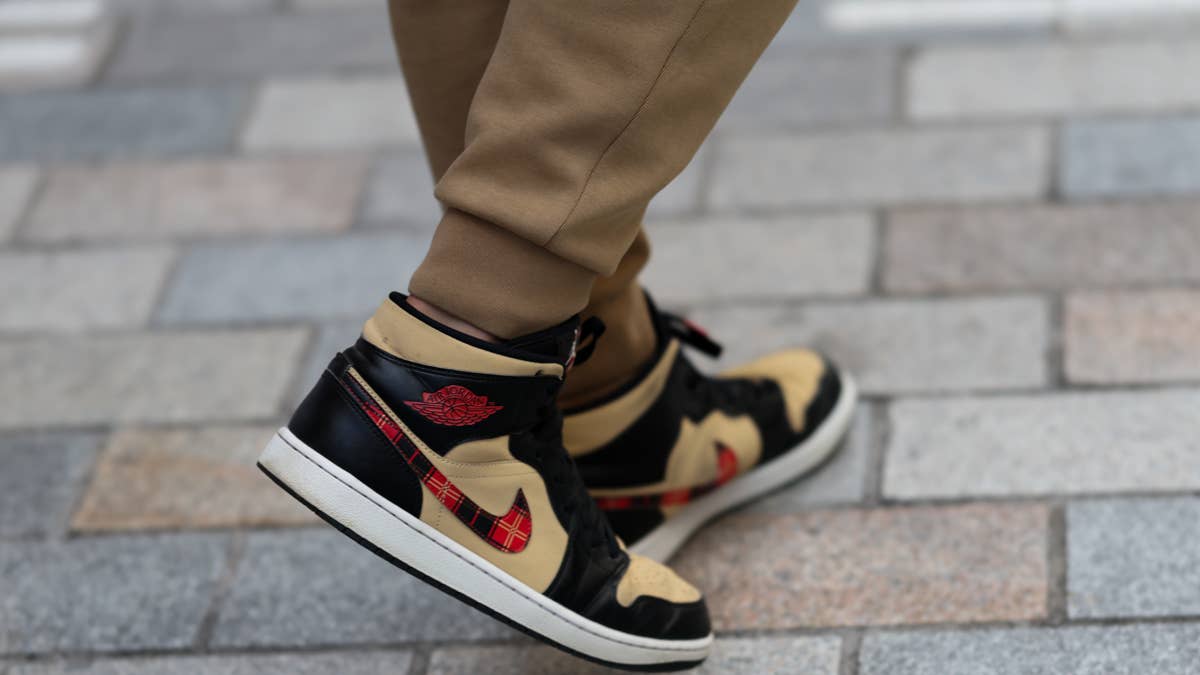
Jordan is shrinking, too, with revenue down by the mid-teens, Hill said. He said Nike had been oversupplying retro Jordans and will cut the volume and frequency of some releases.
This is the old sneaker playbook: Make a shoe harder to get, and people want it more. The catch is fewer sales now, and Morgan Stanley set out to measure how much smaller Nike could get.
Morgan Stanley says the reset is far from over
Straton reiterated an Underweight rating in a research note dated Nov. 4 and shared with TheStreet. Underweight means the firm expects Nike to trail the other stocks it covers.
The note, titled “Investor Day Framework: We See ~$2 in Normalized EPS; Remain Underweight,” cuts the price target to $25 from $27. It argues Nike’s “sales reset is far from over.”
Morgan Stanley estimates annual sales could settle near $40 billion, roughly 22% below Nike’s fiscal 2024 peak, based on the note’s figures.
Most of the pain sits in Sportswear and Jordan, which the note says may need to shrink about 25% on average. Performance gear like running shoes could grow, but not enough to fill that hole.
Among the brand resets the note studies is Nike’s own Converse, with sales down about 52% since fiscal 2023. That comparison stays with me, because the risk already lives inside Nike. Yet shrinking supply only works if shoppers still want the shoes at Nike’s prices.
Price may be the Nike problem scarcity can’t fix
Morgan Stanley’s own survey points to the gap. Among people losing interest in Jordan footwear, 28% said the shoes cost too much, the most common reason in the note. Others said rival brands simply looked more appealing.
That is where my New Balance purchase stops being just a personal story. Fewer Jordan releases may make each pair feel special again, but they do nothing to lower the price tag.
Hill said the consumer is cautious and the lifestyle market lacks energy. If those shoppers settle into other brands while Jordans grow scarcer, Nike may not win them back. That risk helps explain why Wall Street can’t agree on the stock.
More NIKE:
- Nike has a long road ahead to win customers back
- Nike made Jordans too easy to buy, and Bank of America noticed
- Nike making its most famous sneakers harder to buy
Wall Street is split as Nike’s investor day nears
Nike carries a consensus Hold rating from 43 analysts, with an average price target of $36.45, according to StockAnalysis. BTIG’s Robert Drbul rates it a Buy at $50, while Bank of America’s Lorraine Hutchinson has a Sell rating at $24.
Morgan Stanley’s cut did not stop a rally, as shares rose about 5% on Nov. 4. Over the past year, the stock has traded between $31.97 and $69.14.
Morgan Stanley lays out 3 paths in its note:
- A $38 bull case assumes modest sales growth and operating margins near 11% by fiscal 2031.
- A $25 base case has revenue slipping about 1.5% a year, with margins near 9.5%.
- A $14 bear case sees sales shrinking about 6% a year.
Even the bull case sat below Nike’s share price when the note came out. Morgan Stanley also discloses a stake of at least 1% in Nike and recent investment banking fees from the company.
The next test is Nike’s investor day later this month, where management promised a five-year financial framework, according to the transcript. Morgan Stanley expects a modest downside surprise.
The bigger shift reaches past Nike. Sneaker giants once created demand by holding back supply, but shoppers like me no longer wait for the next drop. Morgan Stanley describes an increasingly fragmented sportswear market, and that shift may outlast any single comeback plan.